Accounting Reports in Odoo
Odoo provides many accounting reports for you to understand your company’s overall financial health. To access them, navigate to the Accounting app and select Reporting. Each report can be exported as a PDF or Excel Spreadsheet and be compared to previous calendar periods. Regardless of your chosen fiscal location, the following are by default available to read :
Executive Summary
Profit and Loss
Aged Receivable
Cash Flow Statement
Balance Sheet
General Ledger
Aged Payable
Tax Report

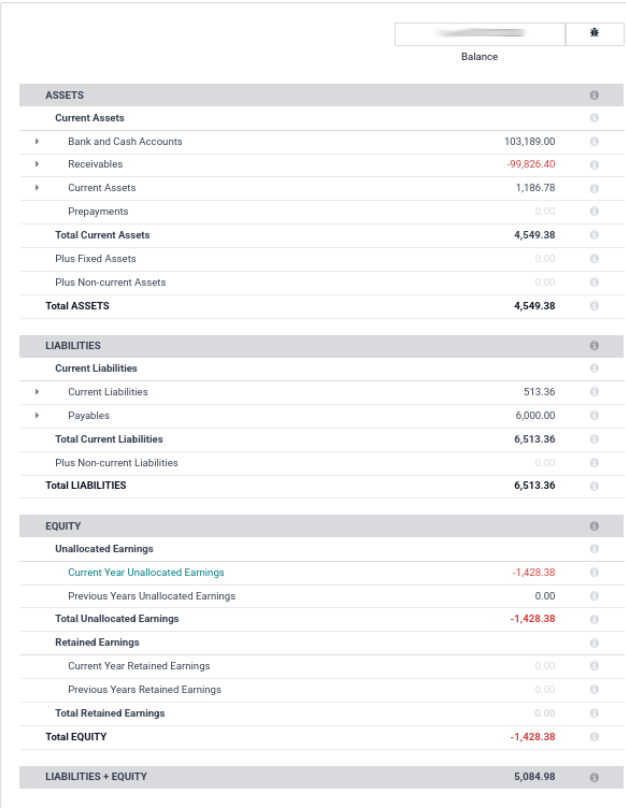
The balance sheet contains your total assets, liabilities, and equity, automatically computed from your transactions in other Odoo apps such as your Inventory, PoS, and Purchase.
Balance Sheet
The balance sheet presents the overall assets, liabilities, and equity of your company at a particular date or period. In accounting, your company’s total assets must be equal to the sum of its liabilities and equity. Every transaction has a cause-effect relationship: when one account is debited (e.g., receivable), another account is credited (e.g., payable). Without this balance check, your company’s finances will not be represented accurately. It could also serve as a red flag for potential fraud by government authorities. Hence, it is critical to always check this report and audit your transactions should an imbalance occur.
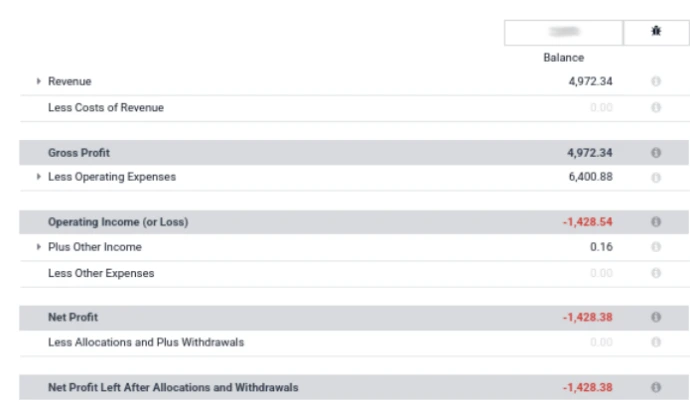
The profit and loss computes the net profit by summing the gross profit and operating income (or loss) of your company.
Profit & Loss
Your company’s net income is reported under Profit and Loss / Income Statement. This report is helpful at understanding its revenue streams and how much is allocated for day-to-day operations.
Executive Summary
The executive summary presents an overview of your company’s financial performance through the following items:
- Cash: The amount of cash the company has on-hand.
Profitability: The profit your company has accrued over a period of time.
Balance Sheet: The ratio between your company’s assets and the sum of liabilities and equity.
Performance: The company’s gross profit margin, net profit margin, and return on investment.
Position: The company’s average debtors and creditors days, short-term cash forecast, and ratio of current assets and liabilities.
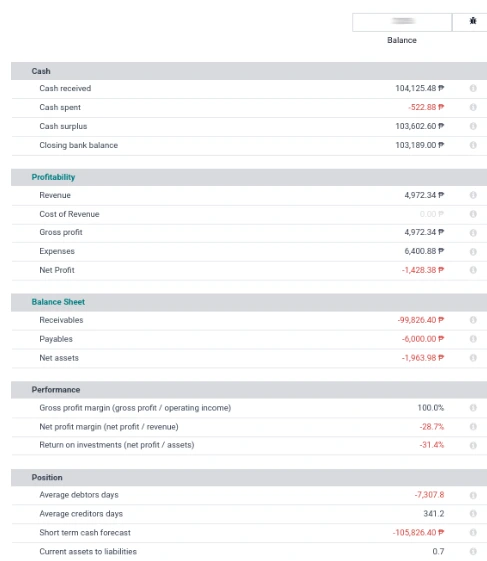
The executive summary is comprehensive at summarizing your company’s overall financial profits, performance, and position within a single period, usually a year.
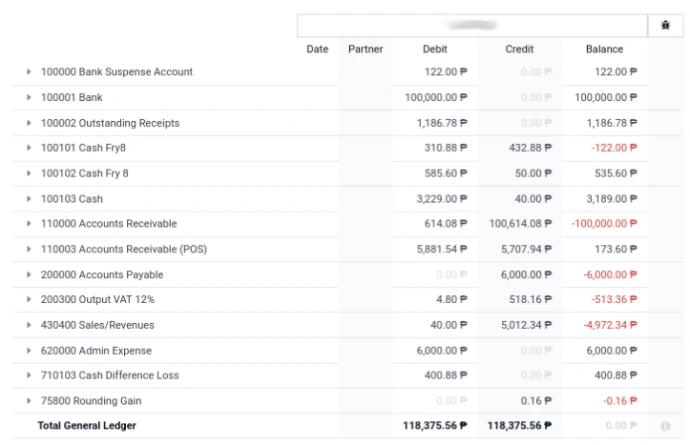
The general ledger calculates your overall balance by adding and subtracting debit and credit transactions respectively.
General Ledger
The general ledger presents all your company’s debit and credit account transactions for a specific period. Much like the balance sheet, your total debit and credit must be equal and the overall balance should be absolute zero.

Customer invoices that have not been paid for example will be listed in the aged receivable report.

Vendor bills that are yet to be paid will be listed in the aged payable report.
Aged Receivable and Payable
The aged receivable and payable reports display information on customer invoices awaiting payment and vendor bills that have yet to be paid by your company for a specific period. The aged receivable and payable reports display information on customer invoices awaiting payment and vendor bills that have yet to be paid by your company for a specific period.
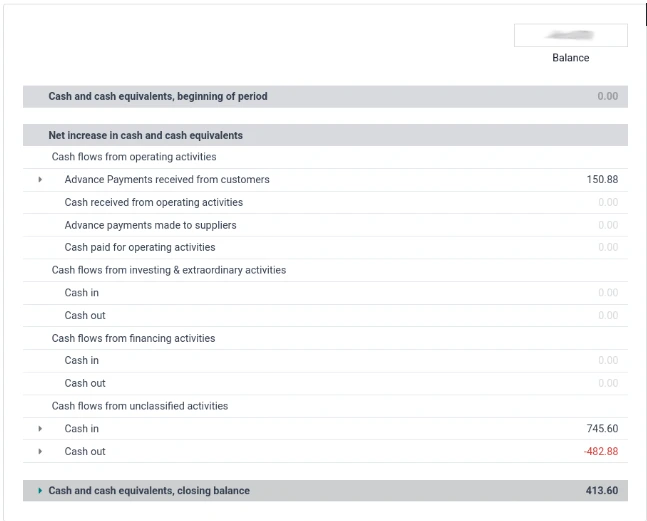
The cash flow statement specifies which activities contribute the most to your company’s overall cash on-hand.
Cash Flow Statement
The cash flow statement shows the amount of cash flowing in and out of your operations, investments, finances, and other activities within your company. Changes to your balance sheet and profit and loss can affect this report.
The tax report specifies which tax items you are required to pay and how much.
Tax Report
Your total taxes from sales and purchases are recorded in the tax report / return; the items of which depend on your fiscal location.
When should you use one report over the other?
Here are some guidelines to help you choose the right report for your needs:
Use the Executive Summary for an overview of your company’s financial performance.
Use the Profit and Loss or Cash Flow to determine where your company’s profits or cash are coming from.
Use the Balance Sheet, Aged Receivable, and Aged Payable to audit whether your company’s transactions for assets, liabilities, and equity are balanced and no differences were found.
Use the General Ledger to check your company’s balance of debit and credit.
By understanding what information contains in each report, you can be confident in periodically monitoring and evaluating your company’s financial health.